As the cold wind intensifies in winter, many people find their lips becoming particularly chapped and cracked. The dry air from indoor heating and low humidity quickly robs moisture from the surface of the lips, thickening the dead skin. If lip balm dries out quickly and the feeling of dryness recurs, simple moisturizing may not be enough. Let’s explore the essential lip care secrets for winter.
◆ Lips Are Thinner Than Skin, Causing Dryness
Lips have very few sebaceous and sweat glands, making it difficult to maintain moisture and oil on their own. They can easily become irritated from heating or friction from masks, and even a small loss of moisture can quickly lead to dead skin. Especially during winter cold waves, moisture evaporation increases significantly, making cracking and pain more likely. The habit of repeatedly licking the lips is a major factor that worsens dryness, creating a vicious cycle that weakens the surface barrier.
◆ Layering Moisture with Oil is Key
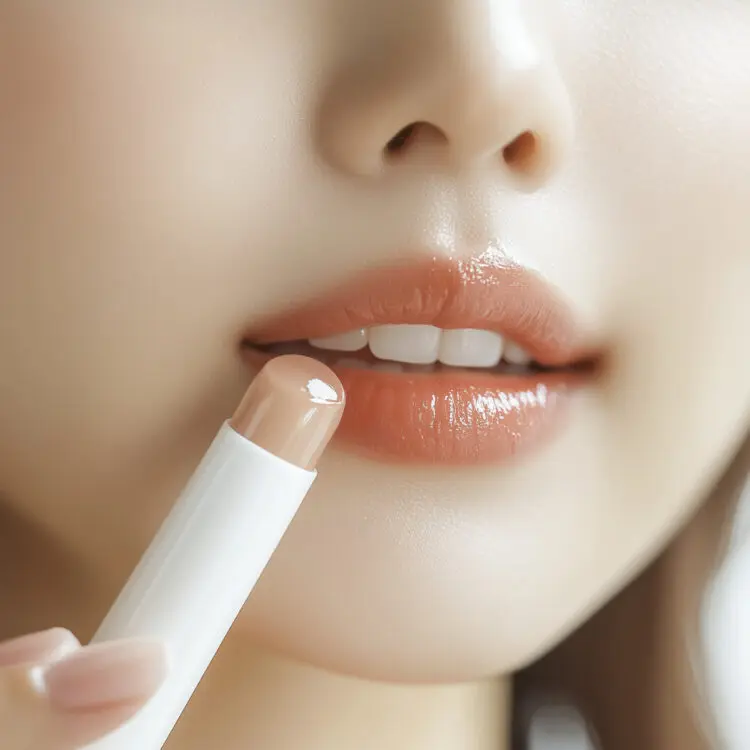
Moisturizing the lips is most effective with a ‘layered moisture’ approach that combines water and oil. First, apply moisture ingredients like hyaluronic acid and glycerin, then form an oil barrier with shea butter, jojoba oil, or ceramides to enhance moisture retention. It’s important to apply regularly 2-3 times a day, especially after washing your face and before bed when absorption is higher. In offices with strong heating, applying a small amount frequently can help prevent cracking.
◆ Enhancing Recovery During Sleep with 'Night Lip Care'
Applying a highly moisturizing lip balm or lip sleeping mask before bed can minimize moisture evaporation, keeping lips smooth until morning. This effect is especially significant when sleeping with the heating on. Applying it widely around the lips also helps alleviate fine lines caused by dryness. The adherence of lip makeup the next day also greatly improves.
◆ Exfoliation Once a Week, Minimize Irritation
Excessively scrubbing rough lips can cause micro-damage. Soaking them in lukewarm water for 2-3 minutes to soften the dead skin, then gently wiping with a cotton swab or soft towel is appropriate. Using lip-specific products containing low-irritation peeling ingredients like LHA is safer. In winter, it’s crucial to immediately fill the moisturizing step after exfoliation to speed up recovery.
◆ Lifestyle Habits Ultimately Determine Lip Health
Habits like biting or licking the lips are major causes of repeated dryness and cracking. Low water intake or frequent consumption of caffeine and alcohol can also lead to dehydration, making lips easily dry. It’s also important to use lip balm with UV protection when going out. Lips are sensitive to UV rays, so blocking UV even in winter is a key point in maintaining lip health.