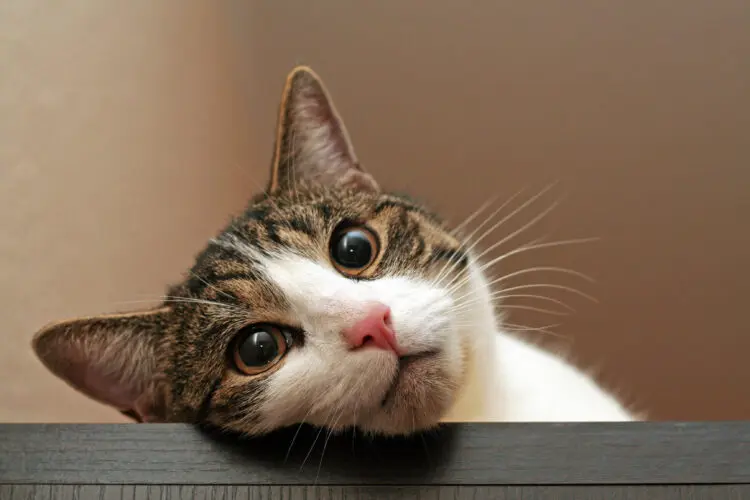
Purring... The 'purr song' that cats make is not just a simple expression of affection. The unique vibration sound of cats that makes their owners happy stabilizes human autonomic nerves and lowers stress and blood pressure. In fact, research shows that people living with cats have a lower risk of cardiovascular disease and a longer lifespan. Let's explore the amazing healing effects of the 'purr song' and the 5 reasons why cat owners live longer.
A 'Natural Calming Agent' that Lowers Stress Hormones
According to a study from the University of Minnesota, cat owners had a 30% lower mortality rate from heart disease. The oxytocin released when petting a cat reduces the stress hormone cortisol and stabilizes heart rate. The slow movements and purring sounds of cats calm the sympathetic nervous system, alleviating anxiety and anger responses. Spending time with a lovely cat, even for a short period, lowers blood pressure and shows effects of relaxation and improved sleep quality.
The Cardiovascular Protective Effects of 'Purr Song' Vibrations
The frequency of the purr song that cats make when they are comfortable is between 25-150Hz, and this sound has been reported to help with muscle relaxation, improved blood flow, and stabilization of heartbeats. Related studies indicate that pet owners tend to have lower average blood pressure and reduced cardiovascular risks. Notably, those who owned cats after middle age had significantly lower rates of recurrent myocardial infarction. These cat vibrations resonate with human body rhythms, helping to alleviate stress-induced blood pressure increases.
The 'Cognitive Stimulation Effect' that Protects Brain Function
A long-term study in the UK reported that the rate of cognitive decline in elderly individuals who own pets is statistically slower. This is because the repetitive actions and daily routines of caring for a cat increase the activity of the frontal lobe and hippocampus. Additionally, responding to a cat's gaze or movements promotes the release of dopamine and serotonin. Such stimulation helps alleviate depression and maintain memory in the elderly.
The 'Training Effect' that Boosts Immunity and Allergy Resistance
According to research from the University of Helsinki in Finland, children raised with pets showed a lower risk of certain allergic diseases. The fine allergens from cat fur and skin 'train' immune cells to reduce excessive immune responses. This is explained by the 'hygiene hypothesis,' which suggests that appropriate exposure to allergens strengthens immune balance. For adults, a certain level of allergen exposure positively impacts immune stability and the prevention of autoimmune diseases. However, those with cat allergies should exercise caution.
The 'Happiness Routine' Created by Emotional Bonds
The daily routine of caring for a cat has effects similar to 'Behavioral Activation Therapy (BA)' for mental health treatment. Feeding routines or playtime stimulate the brain's reward circuits, promoting dopamine release, and establishing a consistent daily rhythm leads to a sense of 'caring for someone,' which enhances self-esteem and emotional stability. Experts say, "Interacting with cats is effective for alleviating depression and enhancing stress resilience."