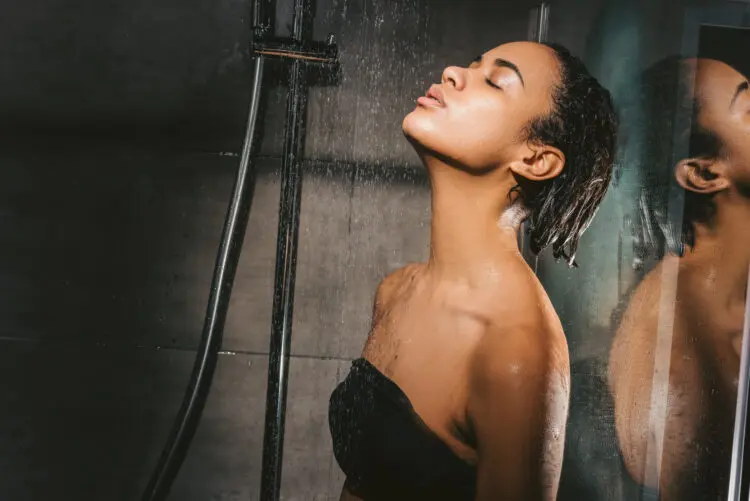
"Tonight, try taking a shower with the bathroom lights off."
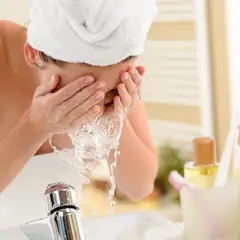
Recently, 'Dark Showering', or showering in the dark, has emerged as a new secret to a good night's sleep, especially on social media. The idea is to turn off or dim the lights completely while showering to relieve the tension and fatigue of the day.
This trend, which started on short-form platforms like TikTok and Instagram, is becoming a health trend as analyses of its medical and psychological effects are added, going beyond just a simple fad.
The 'Dark Shower' Craze Spread via Social Media
Dark Showering is introduced as a type of 'Sleep Routine' that blocks excessive visual stimulation before sleep, stabilizing the nervous system, and has received a positive response. Thanks to existing trends that emphasized the health benefits of showering, such as '#showertok' and '#everything shower', the simple yet powerful message of 'showering with the lights off' has gone viral.
Subsequently, mainstream media like 'Glamour' in the UK covered personal experiences, and analyses from sleep experts followed, increasing its credibility. New Zealand skincare brand Glow Lab even launched a Dark Showering campaign with the phrase, "A sensory ritual that helps refresh the mind and return to your true self in a world that never stops," in collaboration with clinical psychologists.
"The Effect of Warm Water and Light Blocking... Aids Sleep"
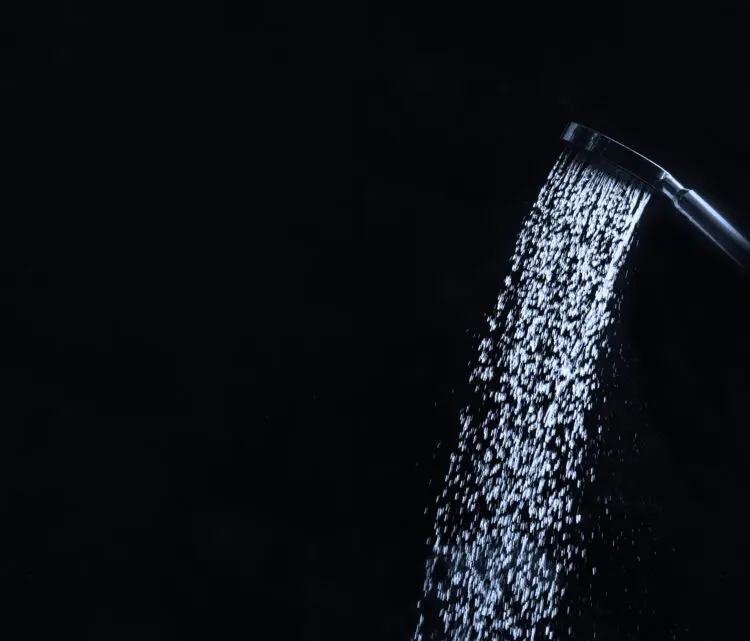
So, does showering in the dark really help with sleep? Experts generally respond positively. Although there is no direct research analyzing the effects of Dark Showering on sleep yet, it can be explained as a concept that combines two scientifically proven sleep principles: 'warm water showers' and 'light blocking.'
First, taking a warm shower temporarily raises body temperature, which then gradually drops, allowing the body to naturally transition into a sleep state. Darkness lowers cortisol levels, a stress hormone, and creates an environment that promotes melatonin secretion. Additionally, keeping digital devices like smartphones away before sleep is also known to be beneficial for sleep, according to various studies.
Dr. Ellie Hair, president of the British Sleep Society, explained in an interview with Glamour, "The sleep benefits of showering primarily come from the warm water, but darkness is an excellent complement to this. Showering under dark or dim light saves the brain's energy that would be used for processing visual information and allows for a focus on other senses, maximizing body relaxation." This is effective in relieving the tension accumulated throughout the day.
The Biggest Concern is 'Safety'... Increased Risk of Falls
While it seems that showering in the dark can help with sleep, there are risks that should not be overlooked. The main concern is safety. The bathroom is the most common place for falls to occur in the home. According to an analysis by the Centers for Disease Control and Prevention (CDC) in 2008, 81% of the approximately 230,000 bathroom-related accidents that led to emergency room visits were falls. Most accidents occurred while showering or getting out of the bathtub.
Therefore, when attempting 'Dark Showering', it is advisable to maintain a low light level that ensures safety rather than complete darkness. Installing non-slip mats or keeping a small indirect light outside the bathroom can help prevent accidents by providing minimal safety measures.